


Design
Curtain heading styles, explained
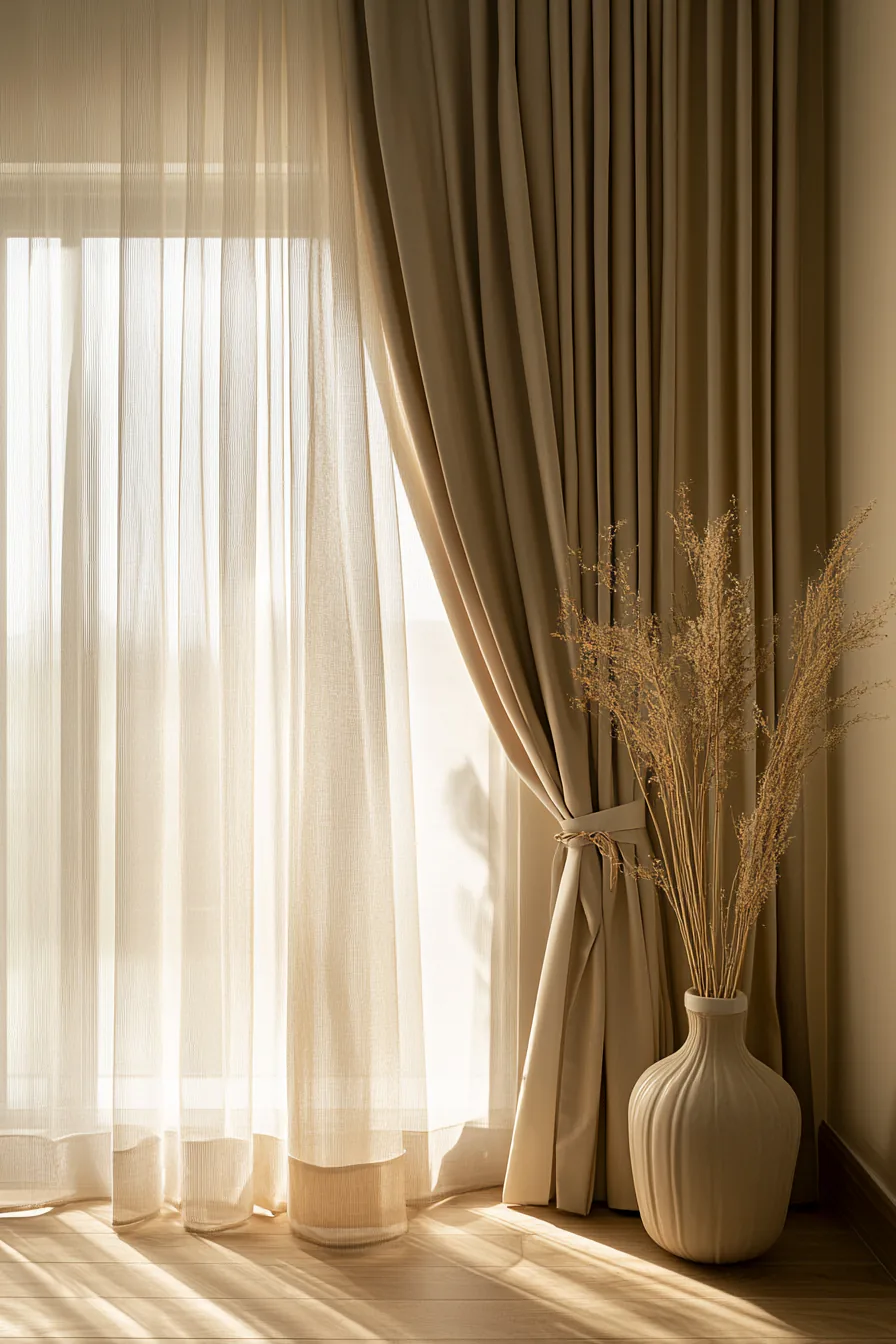
The heading is the detail that decides whether curtains read as contemporary or traditional — more than the fabric does.
·5 min read
Why the heading matters more than you would think
The heading is how the curtain is gathered at the top. It determines the shape of the folds down the whole drop, how much wall space the curtain needs when open, and — more than any other single decision — whether the result reads as modern or classic.
The same fabric, headed two different ways, produces two genuinely different looks. It is worth deciding the heading before falling in love with a fabric.
Wave fold, or S-fold
A continuous, even S-curve running the full drop, hung from a track with carriers at fixed spacing. It is the most contemporary option and by far the most popular in new Gold Coast homes.
Wave fold stacks back compactly and looks equally good in a sheer or a heavy drape. It needs a track rather than a rod, which is worth knowing if you had a decorative pole in mind.
Pinch pleat
Fabric gathered into groups at the top — double for a lighter look, triple for a fuller, more formal one. This is the traditional heading and it still suits period homes and formal rooms beautifully.
Triple pinch uses more fabric than most other headings, which affects cost. It also creates a more defined, structured fold that holds its shape well.
Reverse box pleat
The pleat is folded to the back, giving a flat, tailored face with crisp vertical lines and no visible gathering. It reads as quiet and architectural, and works particularly well in a minimal interior where you want the fabric to behave like a wall rather than a feature.
Choosing between them
- Contemporary home, want it to look current: wave fold
- Traditional or formal room: double or triple pinch pleat
- Minimal, architectural interior: reverse box pleat
- Tight on wall space: wave fold, which stacks the most compactly
- Working to a budget: fewer pleats and less fullness reduces fabric, which is where most of the cost sits
Fullness is the other half of the decision
Fullness is how much more fabric than the window width goes into the curtain. Skimping here is the most common false economy in curtains: a beautiful fabric with inadequate fullness looks thin and disappointing, while a modest fabric with generous fullness looks considered.
If the budget is tight, it is almost always better to choose a simpler fabric at proper fullness than an expensive fabric skimped.

Good to know
Common questions
What is the difference between wave fold and S-fold curtains?
They are the same thing — different names for a heading that produces a continuous, even S-curve down the drop. It hangs from a track with fixed-spacing carriers and is the most contemporary of the common headings.
Which curtain heading uses the least fabric?
Generally a simpler heading at lower fullness, such as a double pinch pleat or a standard wave, uses less than a triple pinch pleat. Fullness affects cost more than the heading style itself.
Free in-home consultation
Talk it through with someone who fits these every day
Reading only gets you so far. We bring samples to your home, measure up and quote — free, across the Gold Coast, Queensland.