


Buying guide
Choosing window furnishings for a coastal home
Salt, humidity and UV are the three things that shorten the life of a window covering here. Materials matter more than they do inland.
·6 min read
Three things working against you
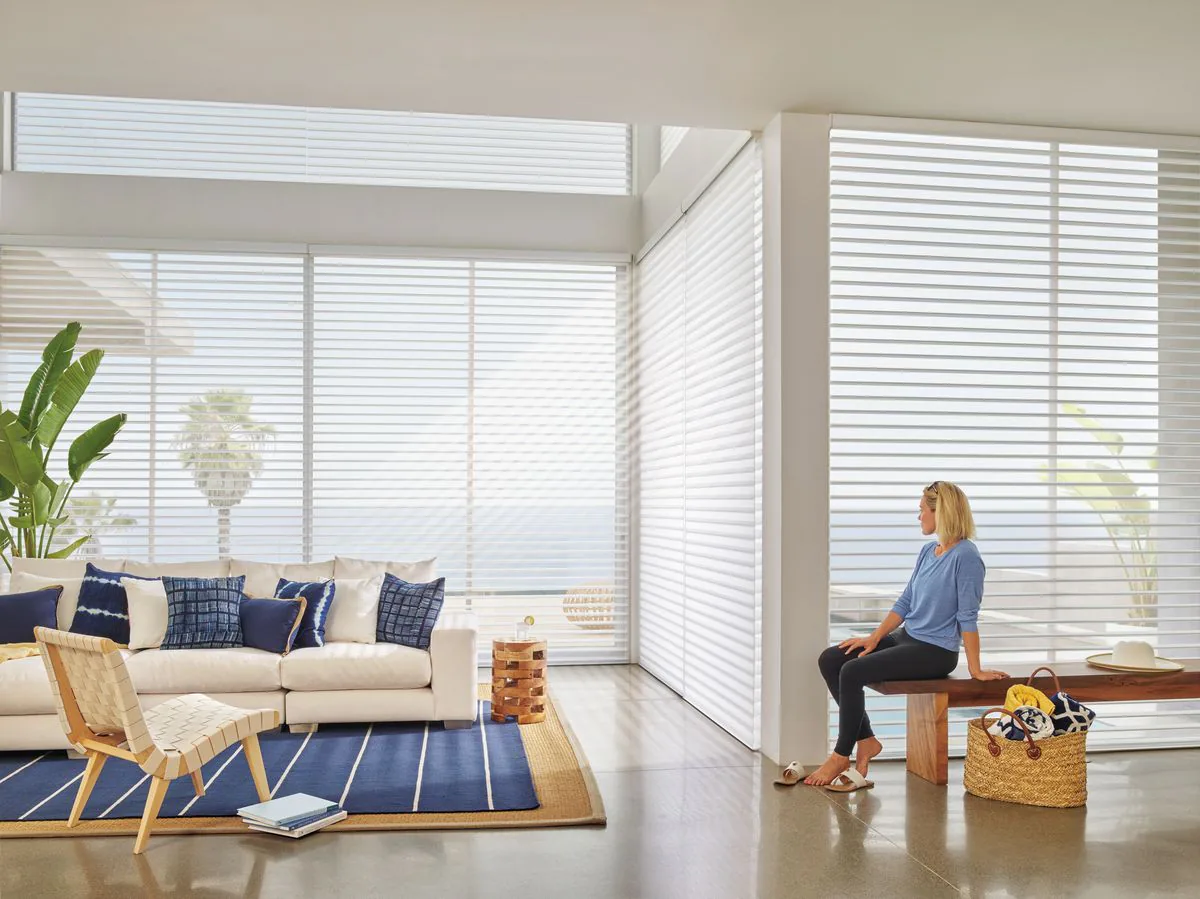
A coastal Gold Coast home puts window coverings under pressure that an inland home does not. Salt-laden air accelerates corrosion on any exposed metal. Humidity swells and warps natural materials. And the UV load is high enough to fade fabrics and embrittle plastics faster than most people expect.
None of that means you have to compromise on how the house looks. It does mean material choice carries more weight than it would elsewhere, particularly on the windows and openings that face the water.
What holds up well
- Aluminium shutters with a quality powder-coat finish. Rust free and the usual choice for exposed and outdoor applications.
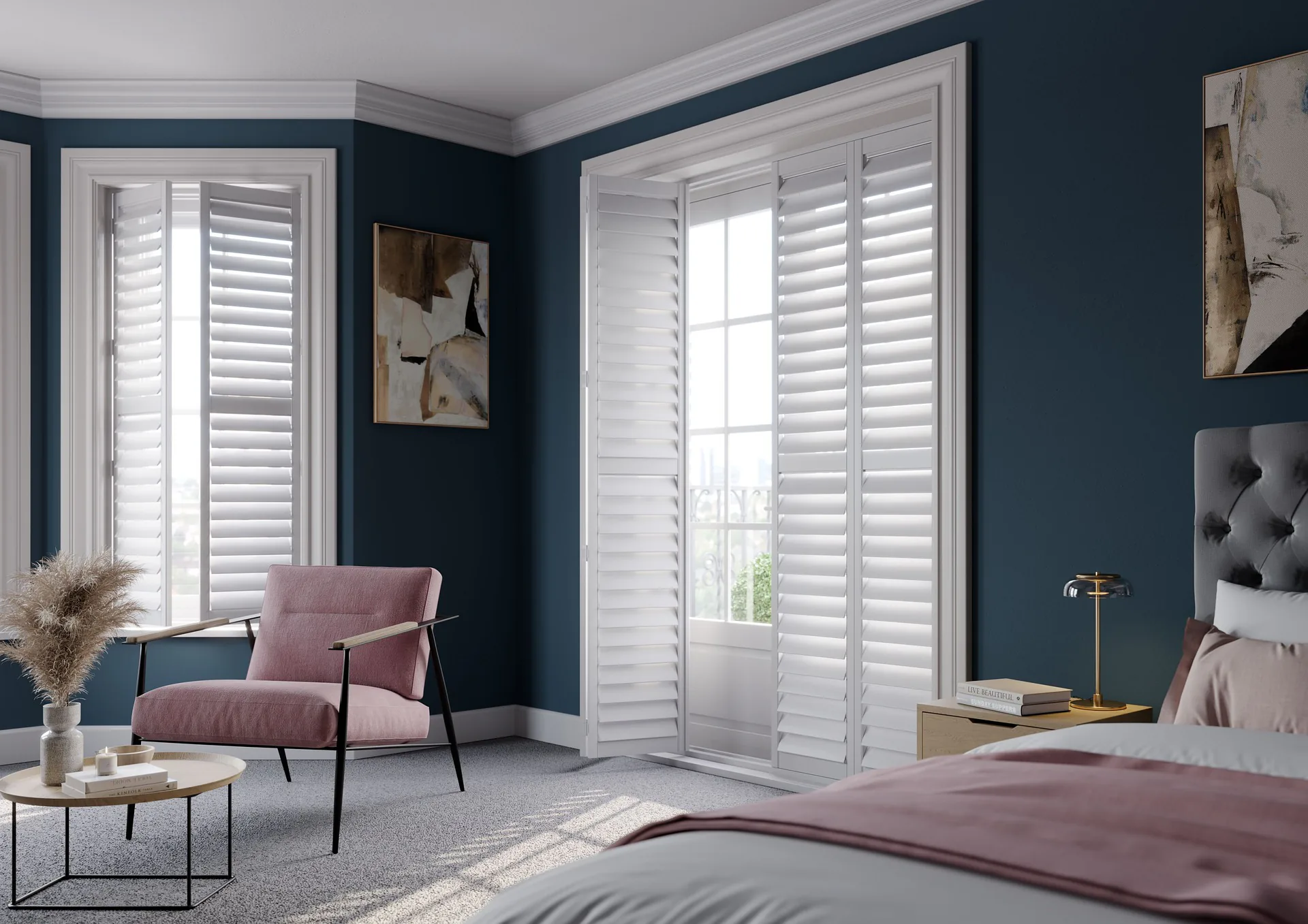
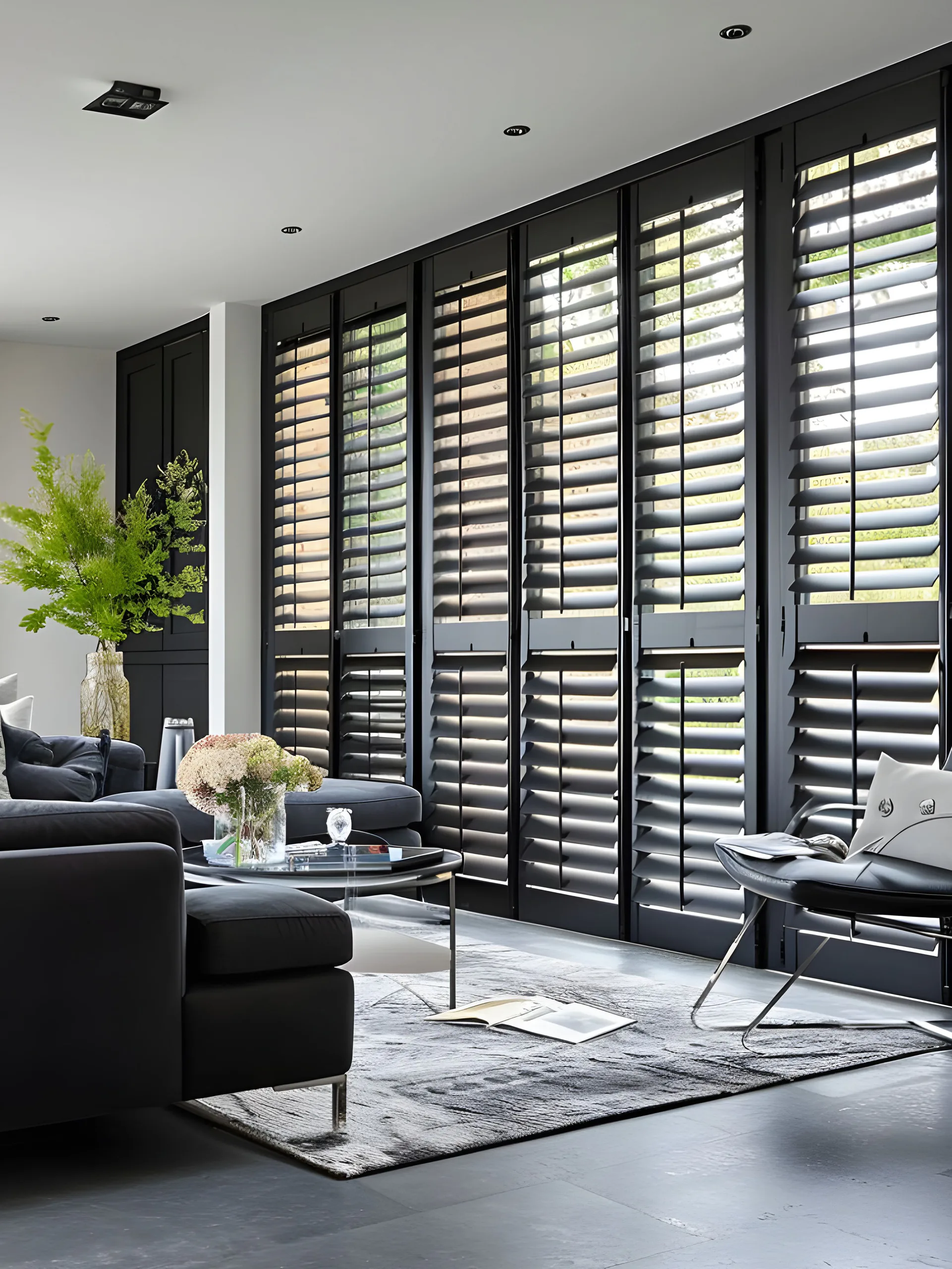
- PVC shutters. Waterproof, unaffected by humidity, and they will not warp, rust or attract insects.
- Sunscreen and mesh fabrics rated for exterior use, which are engineered for UV exposure rather than merely tolerant of it.
- Track-guided outdoor blind systems, which seal at the edges and are built for wind and weather.
- Hardware and componentry specified for coastal use, which matters as much as the visible material.
What to be careful with
Timber is a beautiful material and entirely appropriate in a coastal home, provided it stays in dry living spaces. Timber shutters in a bathroom, a laundry, or on a window that gets driven rain will eventually move. That is not a defect, it is what timber does.
Untreated or low-grade metal componentry is the other common failure point. A blind can be perfectly good and still fail early because the chain, bracket or spring was not specified for salt air. It is worth asking what the hardware is, not just what the fabric is.
Orientation matters as much as material
West-facing glass takes the worst of the afternoon sun and is where fading shows first. North-facing glass gets the longest exposure across the day. If you are staging the work rather than doing the whole house at once, those are the windows to spend on first.
It is also where external shading earns its keep. Stopping heat and UV outside the glass is dramatically more effective than managing it once it is already inside, and it protects your flooring and furniture at the same time.
Good to know
Common questions
Are timber shutters a bad idea near the beach?
Not at all, provided they are in dry living areas. Timber shutters in bedrooms and living rooms perform well. It is bathrooms, laundries and windows exposed to driven rain where PVC or aluminium is the better specification.
Do outdoor blinds survive coastal wind?
Track-guided systems are designed for it. The blind is retained in side channels rather than hanging free, which is what allows it to handle wind that would damage a simple drop awning. Wind-rated configurations are available for particularly exposed positions.
Free in-home consultation
Talk it through with someone who fits these every day
Reading only gets you so far. We bring samples to your home, measure up and quote — free, across the Gold Coast, Queensland.