


Design
Do window furnishings actually reduce energy bills?
Yes, but not equally. The gap between the most and least effective option is very large.
·6 min read
Why windows are the weak point
An insulated wall does a good job of keeping heat out. A pane of glass does almost none. In a typical Queensland home, glass is where the majority of unwanted summer heat gain happens, which is why a room can be uncomfortable even in a well-insulated house.
That makes windows the highest-leverage place to intervene. It also means the intervention needs to happen in the right place to work.
Outside beats inside, decisively
This is the point that matters most. Once sunlight passes through glass it converts to heat inside the room, and an internal blind can only slow that heat's movement — it cannot undo it. Shading on the outside of the glass stops the energy before it ever enters.
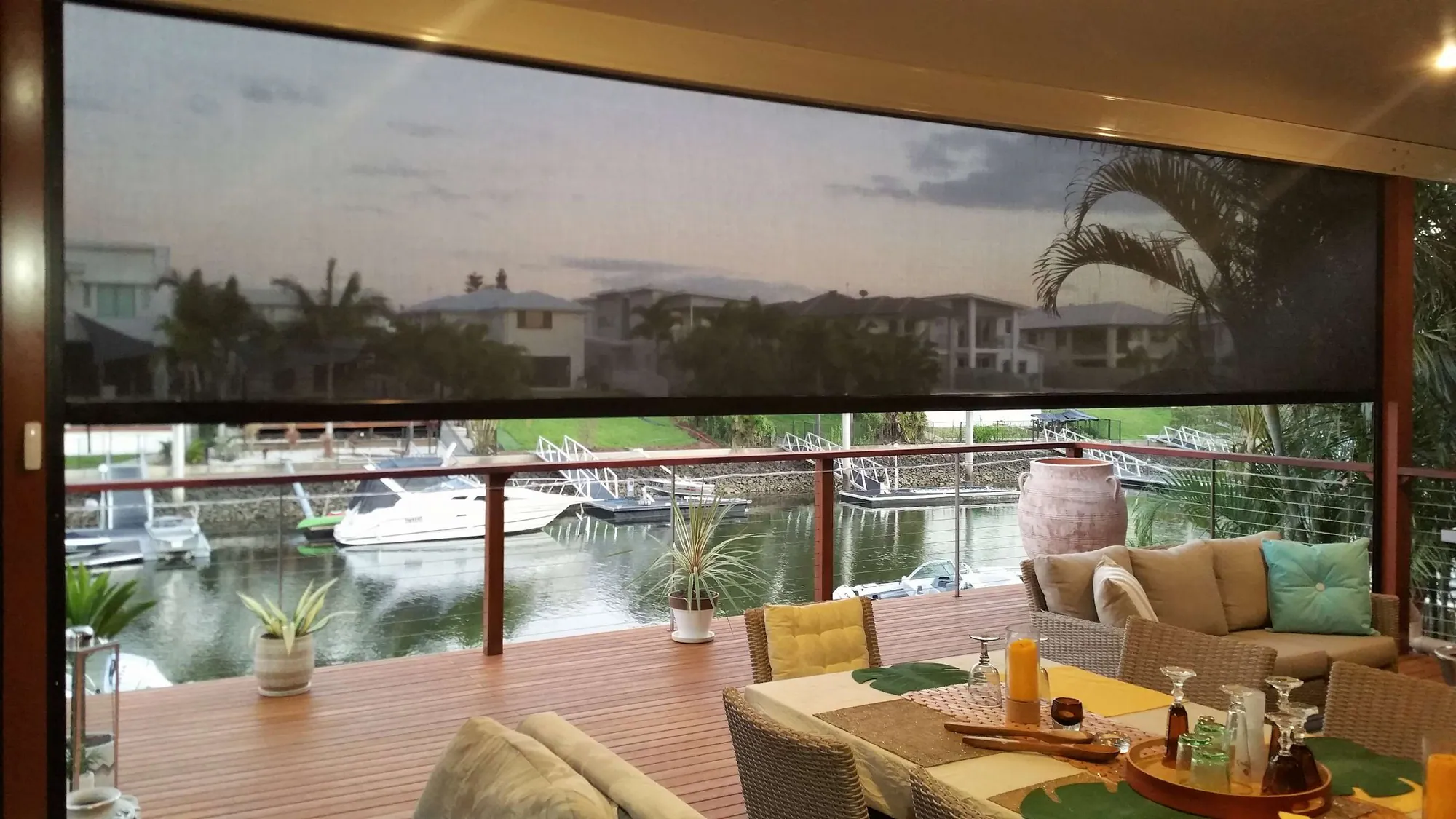
The practical difference is large. External shading such as outdoor blinds or awnings is substantially more effective at reducing summer heat gain than any internal treatment on the same window.
Roughly in order of effect
- External shading over the glass — outdoor blinds, awnings, exterior screens
- Aluminium shutters or external screens, shading while allowing airflow
- Blockout blinds or lined curtains with a reflective backing
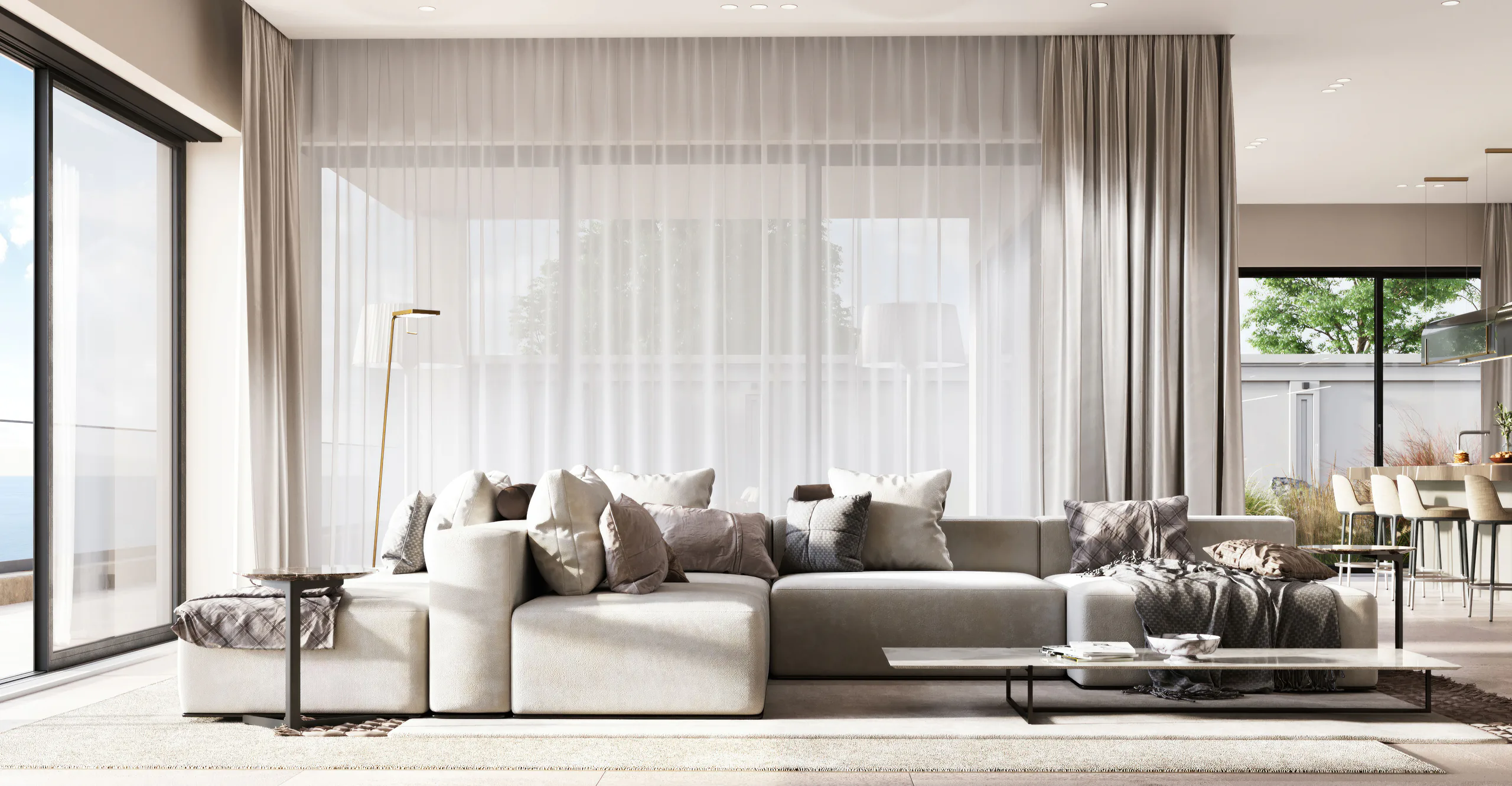
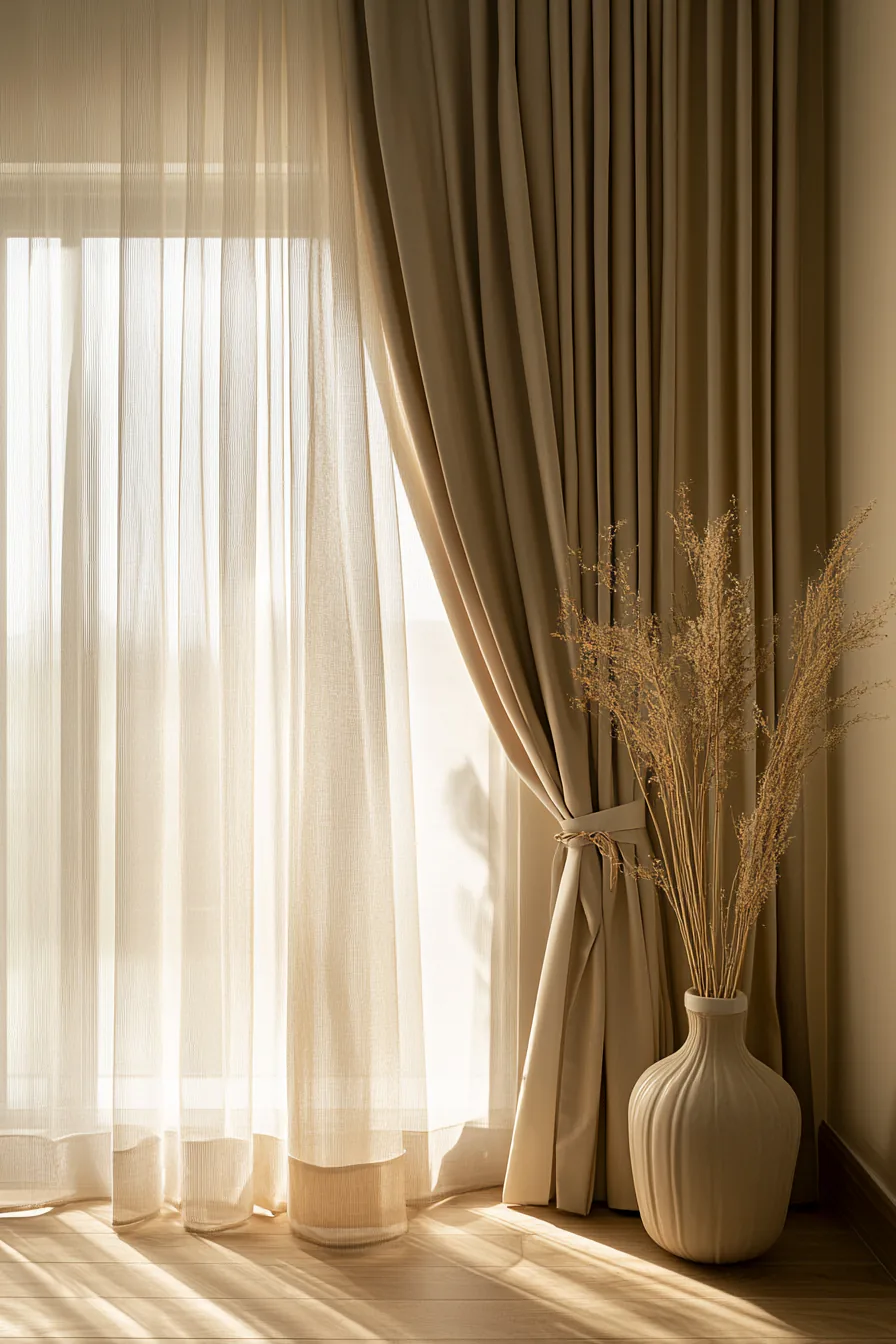
- Layered sheers and blockout drapes, where the trapped air gap does real work
- Honeycomb and cellular fabrics, which trap air within the blind itself
- Sheers alone, which help with glare but very little with heat
Winter matters too, a little
Gold Coast winters are mild, but heat still leaves through glass overnight. Closing curtains at dusk keeps more of it in, and a pelmet or headbox at the top makes a measurable difference by stopping the convection loop where warm air slides down the cold glass and pulls more air in behind it.
This is why a well-fitted curtain with a pelmet outperforms a loosely hung one, even in identical fabric.
Being realistic
Window coverings will not transform a poorly oriented, uninsulated house, and anyone promising specific percentage savings is guessing — the number depends entirely on your glazing, orientation, insulation and habits.
What they reliably do is reduce the peak load, which is when air conditioning works hardest and costs most. On a west-facing living area in February, shading the glass externally is one of the more cost-effective comfort improvements available.
Good to know
Common questions
What is the most energy-efficient window covering?
External shading, such as outdoor blinds or awnings, because it stops solar heat before it passes through the glass. Internally, blockout fabrics with a reflective backing and layered sheer-plus-blockout combinations perform best.
Do pelmets actually help?
Yes. A pelmet or headbox closes the gap at the top of a curtain and interrupts the convection loop that otherwise circulates air past the cold or hot glass. It is a small addition with a genuine effect.
Free in-home consultation
Talk it through with someone who fits these every day
Reading only gets you so far. We bring samples to your home, measure up and quote — free, across the Gold Coast, Queensland.